
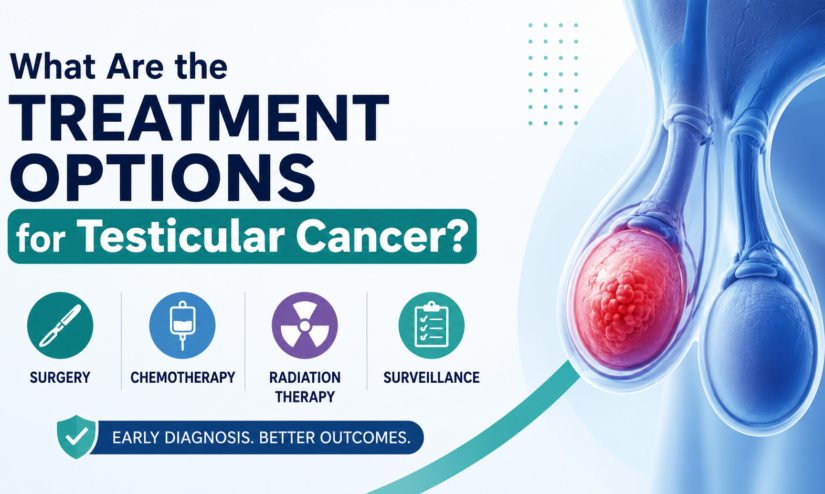
Testicular cancer is treatable when caught early; however, understanding the treatment options available allows people to make informed choices about their health care. Testicular cancer is rare and mainly affects people aged 15 to 45, though it can occur outside this range. The main symptom associated with testicular cancer is a mass or lump in the testicle. This type of cancer grows quickly and can also spread to other organs. Understanding how urologists develop individualised care plans to maximise the chance of survival and provide healthy long-term outcomes will allow you to take the necessary steps to protect yourself against this disease. To find out more, please read this blog written by the Best Urologist in Kolkata and save yourself from this debilitating illness.
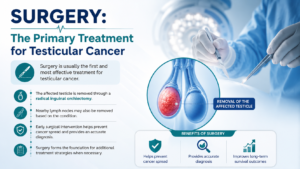
Surgery: The Primary Treatment for Testicular Cancer
Surgery is usually the first and most effective treatment for testicular cancer. The procedure typically involves removing the affected testicle through radical inguinal orchiectomy. In most cases, nearby lymph nodes may also be removed based on the condition. Early surgical intervention helps prevent cancer spread, provides an accurate diagnosis, and serves as the foundation for additional treatment strategies when necessary.
Chemotherapy for Advanced or Recurrent Cases
Chemotherapy involves the use of strong medications to eliminate cancer cells throughout the body. It is commonly recommended when testicular cancer has spread beyond the testicle or returns after surgery. Treatment plans vary depending on cancer type and stage. Modern chemotherapy protocols have significantly improved survival rates, making them an essential component of comprehensive cancer management today. If you want to make your urological health active, then contact the best Urologist in Kolkata, and keep your urological health safe.
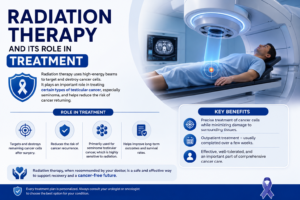
Radiation Therapy and Its Role in Treatment
Radiation therapy employs high-energy beams to target and eliminate cancer cells. It is primarily used for certain seminoma testicular cancers due to their sensitivity to radiation. This treatment may be recommended after surgery to reduce recurrence risk. Understanding benefits, potential side effects, and suitability helps patients and doctors choose appropriate treatment pathways carefully.
Final Verdict
Selecting the best treatment option depends on cancer stage, type, overall health, and physician recommendations. Surgery, chemotherapy, radiation therapy, and surveillance each play important roles in successful management. Early diagnosis remains critical for positive outcomes. By understanding available treatments, patients can confidently participate in decisions and pursue the most effective path toward recovery. Moreover, this cancer test is very easy to treat and recoverable at the first stage of infection. If you want the best doctor for this disease, then you can contact Dr Tarun Jindal, the Famous urologist in Kolkata, and keep your urological health active.